UX problems are often invisible to the people who built the product. You have worked with it long enough that the navigation feels obvious, the terminology makes sense, and the steps feel natural. Your users do not have that context. What is obvious from the inside is frequently confusing from the outside, and the evidence is in your analytics: high drop-off rates, short session durations, repeated support tickets asking the same questions.
UX strategy projects start with an audit of what exists. We map the current user journeys, identify where things break down, and document the gap between what users expect and what they find. This happens before any new design is proposed, because solutions built on incomplete understanding of the problem tend to introduce new problems.
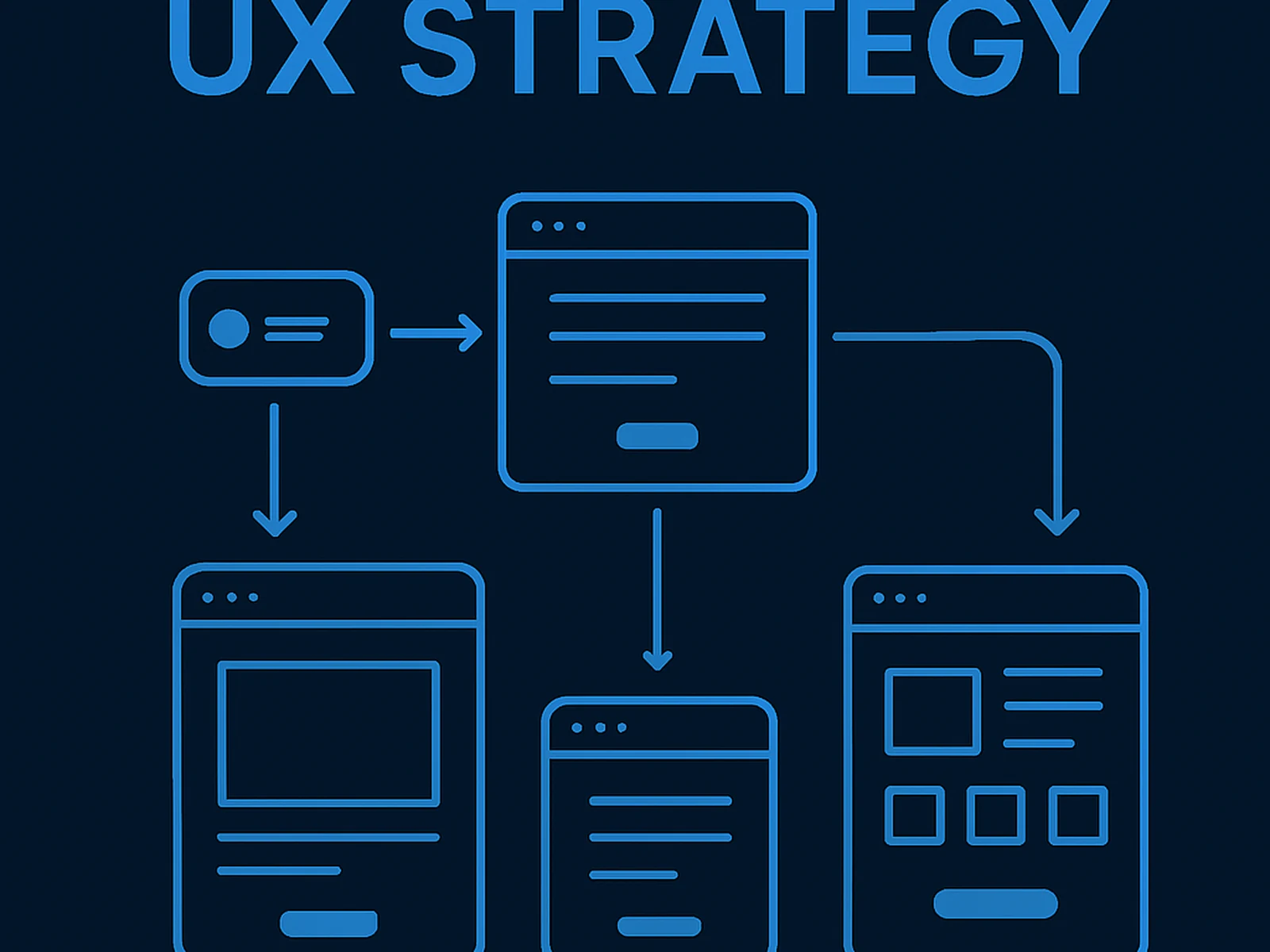
From the audit, we produce a prioritised set of improvements and a design approach for each. Wireframes come before visual design. User flows are validated before components are built. By the time high-fidelity screens are produced, most of the structural questions have already been answered.
The Kessler Digital project in St. Gallen is a clear example of what this process produces. A B2B software product that worked well functionally but whose interface made it hard to understand why. After six weeks of UX work, their support load dropped by more than half. The product did not change. The interface did.
What is included
Client feedback
"Support tickets dropped in the first month. That is the clearest proof the work was right."